
I’ve Always Noticed Things Early
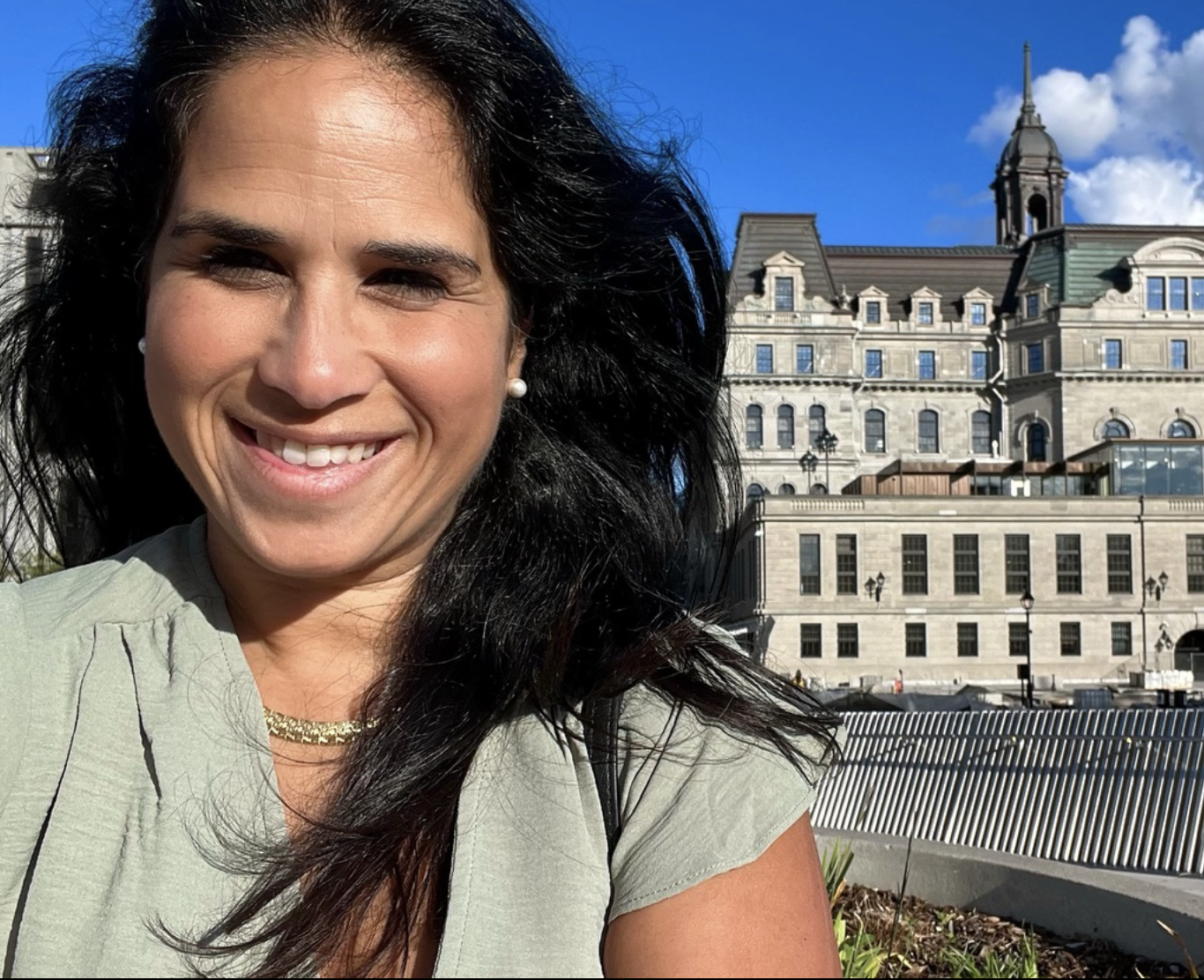
There’s something I’ve come to recognize about how I think.
I tend to notice shifts before they become obvious.
Not because I’m trying to predict the future—but because I pay attention to what feels slightly different. The small changes. The behaviors people adopt quietly before they talk about them openly.
Over time, I’ve seen this pattern play out across my work—in communications, in public affairs, and in how people respond to leadership, messaging, and trust.
And more recently, I’ve been noticing it in something else:
How people are navigating systems.
People are no longer engaging the way they used to.
They’re not waiting the same way.
They’re not trusting the same way.
They’re not entering institutions the same way.
Instead, they’re seeking clarity first. Understanding first. A sense of control before they engage with a system that may feel complex, slow, or difficult to access.
And increasingly, they are turning to new tools—often quietly—to get that clarity.
At first glance, these shifts can seem small.
A question asked differently.
A decision made earlier.
A step taken outside the traditional path.
But when enough people begin to behave this way, it signals something deeper.
It signals a change in expectations.
For nonprofits, public institutions, and mission-driven organizations, this matters.
Because these organizations are built on:
trust
engagement
participation
and the ability to meet people where they are
When behavior changes, those foundations are affected.
The way people:
seek information
make decisions
choose to engage
and decide where to give their time, attention, or support
is evolving.
And often, it evolves before systems are ready to adapt.
This creates both a challenge and an opportunity.
A challenge, because traditional communication models—structured, linear, institutional—no longer fully align with how people are thinking and behaving.
An opportunity, because organizations that understand these shifts early can respond with greater relevance, clarity, and impact.
This is where my work has always focused.
At Perez PR, I help organizations navigate change—especially when that change is not yet fully defined.
But here, in this space, I want to do something complementary.
I want to capture the shifts as they’re happening.
To name them.
To explore them.
And to consider what they mean—not just for individuals, but for the organizations working to serve them.
Because the most important changes are rarely announced.
They emerge gradually, through behavior.
And by the time they are obvious, the organizations that have adapted are already ahead.
This space is about paying attention to those early signals.
It’s about connecting what we are seeing on the ground with what it means at a strategic level.
And it’s about helping leaders—especially in nonprofit and public sectors—understand how to respond before the gap widens.
Because once you see a shift clearly, you have a choice:
React to it later.
Or recognize it early—and lead through it.
